39.90KM
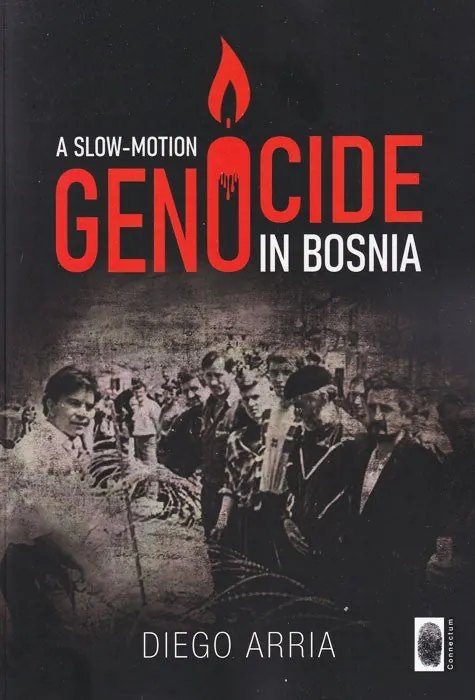
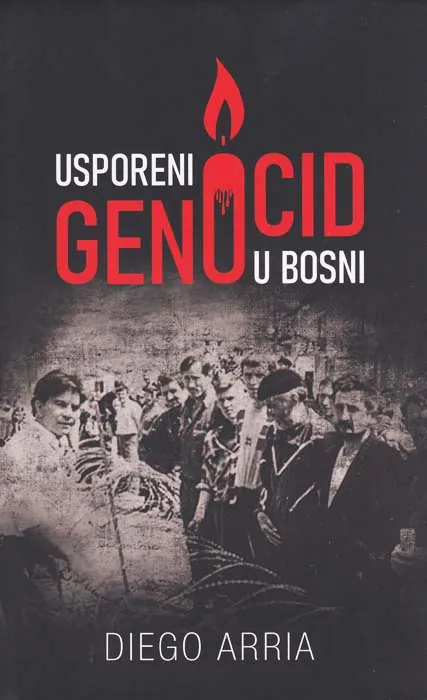
A slow-motion genocide in Bosnia
39.90 KM
This compelling work by Diego Arria, former Permanent Representative of Venezuela to the United Nations Security Council, offers a rare insider's perspective on one of the most defining conflicts of modern European history. Drawing on firsthand diplomatic experience, Arria examines the political negotiations, international decisions and humanitarian failures that shaped the Bosnian War from 1992 to the Dayton Peace Agreement in 1995. The book explores the central political question behind the conflict—the proposed ethnic division of Bosnia and Herzegovina—and the international efforts to prevent the country's sovereignty and territorial integrity from being destroyed. Arria provides a detailed account of the debates within the UN Security Council, highlighting the role of the Non-Aligned members in defending the rights of Bosnia and Herzegovina while exposing the limitations and inconsistencies of the international response. With thoughtful analysis and powerful testimony, the author addresses the consequences of diplomatic inaction, the policy of ethnic cleansing, and the events that culminated in the Srebrenica genocide. His reflections shed light on the responsibilities of global institutions and the lasting impact of international decisions on peace, justice and human rights. An essential read for historians, students, researchers and anyone interested in Bosnia and Herzegovina, international relations, UN diplomacy, genocide studies, human rights, and the history of the former Yugoslavia, this book offers invaluable insight into the political realities behind one of the most significant humanitarian crises of the late twentieth century.
39.90KM
Dostupno za online narudžbu
Besplatna dostava
Iznad 100 KM
Sigurna kupovina
SSL zaštita
Povrat 14 dana
Bez pitanja
Pažljivo pakovanje
Zagarantovano
Detalji knjige
- Izdavač
- Connectum
- Godina
- 2024
- Stranice
- 327 str.
- ISBN
- 978-9958-29-225-5
- Jezik
- Engleski
- Povez
- Meki uvez
- Dimenzije
- 160 × 225 mm
Recenzije
—
Nema recenzija
5★
0
4★
0
3★
0
2★
0
1★
0
Pročitali ste knjigu?
Podijelite svoje mišljenje o knjizi “A slow-motion genocide in Bosnia”.
Recenzije
Još nema recenzija
Budite prvi koji će ocijeniti ovu knjigu.
O autoru

Autor
Diego Arria
Diego Enrique Arria Salicetti, poznat kao Diego Arria, venecuelanski je diplomata, političar, autor i bivši stalni predstavnik Venecuele pri Ujedinjenim narodima. U Bosni i Hercegovini posebno je poznat kao jedan od međunarodnih diplomata koji je tokom rata u BiH otvoreno govorio o stradanju civilnog stanovništva, odgovornosti međunarodne zajednice i opasnosti od genocida u Srebrenici. Njegova lična iskustva iz rada u Vijeću sigurnosti UN-a postala su temelj njegovog kasnijeg autorskog i javnog angažmana.
- Rođen/a
- 1938
- Nacionalnost
- Venecuela
Možda vas zanima
Slične knjige
Isti autor
Još od autora Diego Arria
Isti izdavač
Još iz ponude izdavača Connectum
Sa iste police